What If Your Lights Could Adjust Themselves—So You Don’t Have To?
Imagine coming home after a long winter day, tired and drained, only to step into a dark hallway. You fumble for the switch, wishing your lights just *knew* when to turn on. Now picture this: as seasons shift, your home quietly adapts—brighter evenings in summer, cozier glows in winter—all without you lifting a finger. That’s not magic. It’s smart lighting, working *with* your life, not against it. And for busy moms, homemakers, and anyone juggling family, chores, and personal time, this small change can make a big difference. It’s not about flashy gadgets—it’s about peace, rhythm, and reclaiming moments you didn’t even know you were losing.
The Hidden Struggle: How Seasonal Changes Disrupt Our Daily Rhythm
Let’s talk about something we all feel but rarely name: the way changing seasons quietly reshape our days. One morning, you wake up, and it’s still pitch black outside. The kids are groggy, the dog needs walking, and you’re fumbling for a light switch, half-asleep. By the time you get everyone out the door, the sun still hasn’t risen. Fast forward to summer—now the house floods with light at 5:30 a.m., and you’re awake before your alarm, wondering why your body clock is so confused.
This isn’t just about inconvenience. Our bodies are wired to respond to light. When daylight shifts, it throws off our internal rhythm—what scientists call our circadian rhythm. And that affects everything: mood, energy, focus, even how well the kids behave at bedtime. You’ve probably noticed it—those winter nights when your youngest resists sleep, not because they’re being difficult, but because their brain doesn’t get the signal that it’s time to wind down. Or those summer mornings when you’re wide awake too early, your thoughts racing before the day’s even begun.
And it’s not just about sleep. Poor lighting during the day can make the house feel dull and lifeless. You might turn on too many lights just to feel alert, only to see the electricity bill climb. Or you skip your evening walk because the backyard is too dark and feels unsafe. These little disruptions add up. They chip away at your energy, your routine, your sense of control. But what if your home could help? What if your lighting didn’t fight against the seasons—but flowed with them?
Lighting Is More Than Brightness—It’s About Timing and Mood
We tend to think of lighting as just ‘on’ or ‘off,’ bright or dim. But light has texture, tone, and timing. It’s not just about seeing—it’s about feeling. Think about how you feel walking into a cozy kitchen with warm, soft light versus a harsh, fluorescent-lit hallway. One feels inviting; the other feels clinical. That’s no accident. Light influences our emotions, our alertness, even our hunger.
Here’s a simple truth: cool, blue-toned light wakes us up. It mimics the morning sun and tells our brain, ‘Time to go!’ But that same light in the evening? It tricks your body into thinking it’s still daytime, making it harder to relax and fall asleep. On the flip side, warm, amber-toned light signals it’s time to wind down. It’s why candlelight feels so calming—even if you’re exhausted from chasing toddlers all day.
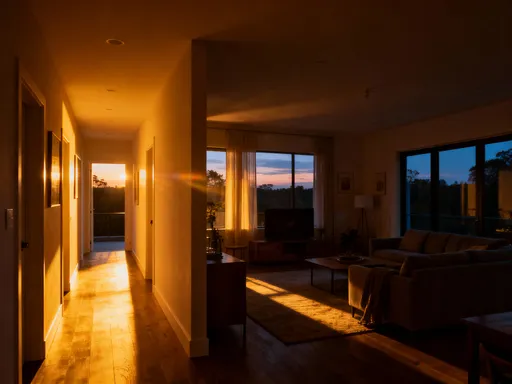
Now imagine your home adjusting that automatically. Picture this: in the morning, your kitchen lights gently brighten to a cool, energizing tone—no jolt, no harsh switch—just a soft nudge to start the day. By dinner, they’ve shifted to a warmer glow, helping everyone settle into the evening. And by bedtime, the hallway and bathroom lights are dim and warm, so if someone gets up, their eyes aren’t assaulted by brightness. This isn’t science fiction. It’s smart lighting, tuned to your daily rhythm.
And the best part? It supports the whole family. Kids respond especially well to consistent lighting cues. A calming evening light can make bedtime battles less intense. A bright, cheerful morning light can help teens who struggle to wake up. Even pets seem to relax more when the house feels balanced. Lighting, when done right, becomes part of the home’s heartbeat—not just a utility, but a mood-setter, a timekeeper, a comfort.
From Manual to Mindful: How Smart Lighting Learns Your Life
Remember the days of setting timers on lamps? Or coming home to a dark house and having to walk from room to room, flipping switches like a night watchman? Those days don’t have to be your reality anymore. Smart lighting isn’t about complex apps or confusing setups. At its best, it’s invisible—working quietly in the background, like a helpful housemate who just *gets* it.
Modern smart lighting systems use simple, reliable triggers. The most common? Sunrise and sunset. Your lights can sync with your local daylight cycle, so they turn on at dusk and off at dawn—automatically adjusting as the days grow longer or shorter. No need to reprogram every few weeks. No more forgetting to turn on the porch light and coming home to a dark entryway.
But it goes further. Some systems include motion sensors. Imagine walking down the hallway at night to check on a sleeping child, and the path lights up just enough to see—no blinding overheads, no fumbling. Or coming in from the garage with grocery bags, and the kitchen lights turn on as you enter, hands full. These aren’t luxury features—they’re small acts of care, built into your home.
And color temperature? That’s automated too. Many smart bulbs shift from cool white in the morning to warm white by evening, mimicking natural daylight. You don’t have to think about it. You don’t have to adjust it. It just happens, in sync with your life. Some systems even learn your habits over time—like when you usually come home, when the kids go to bed, when you like to read in the living room. It’s not artificial intelligence taking over your house. It’s technology adapting to *you*.
Reclaiming Time: Small Gains That Add Up Across Seasons
Let’s be honest—most of us don’t need more tasks. We need fewer. And while turning on a light seems like a tiny thing, think about how many times you do it every day. How many times have you walked into a room and thought, ‘I should turn that on,’ but didn’t, because you were carrying something? Or forgotten to turn lights off, only to walk past later and see them burning away?
Now multiply that by every season. In winter, you’re turning on lights earlier and turning them off later. In summer, you might be adjusting timers to match longer days. Every manual decision—on, off, brightness, color—takes a tiny bit of mental energy. That’s called decision fatigue. And over time, it wears you down.
Smart lighting cuts through that. It removes the micro-choices. You don’t have to decide when the porch light turns on. You don’t have to remember to dim the living room for movie night. The system does it for you, based on time, motion, or natural light levels. And while each moment saved is small—a few seconds here, a minute there—those moments add up.
Think about it: over a year, how many hours have you spent adjusting lights, checking if they’re off, or walking into dark rooms? With automation, you get those moments back. Maybe it’s time to sit with a cup of tea. Maybe it’s five extra minutes reading to your child. Maybe it’s just peace—knowing your home is looking out for itself. That’s not just convenience. That’s freedom. And for a woman managing a household, that freedom is priceless.
Safety Without Sacrifice: Keeping Families Protected Year-Round
One of the quietest fears we don’t talk about? Worrying about our family’s safety at night. Is the path to the garage slippery? Did the kids leave the back door unlocked? Is the bathroom too dark for little feet? These aren’t dramatic emergencies—they’re the small, nagging worries that live in the back of a parent’s mind.
Smart lighting helps ease those fears. Motion-activated outdoor lights, for example, turn on the moment someone approaches the front door or steps onto the driveway. That means no more walking into darkness after a late pickup from soccer practice. No more worrying about icy patches you can’t see. And for older family members, it means safer nighttime walks outside.
Indoors, it’s just as important. Night lights in hallways and bathrooms can turn on automatically when motion is detected, guiding footsteps without waking everyone up with bright light. Some systems even let you set ‘night mode’—where only certain lights turn on at low brightness, so you’re not disoriented.
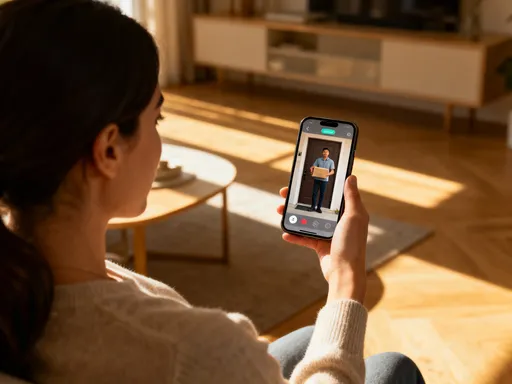
And here’s something powerful: when your home is well-lit, it feels safer, even when you’re not home. Timed or motion-based indoor lighting can deter potential intruders by making it look like someone’s inside. You can control it remotely, too—turn on a light from your phone if you’re running late, so the house isn’t in total darkness when you arrive. It’s not about fear. It’s about peace. Knowing your family is protected, no matter the season or time of day.
Making It Work for You: Simple Setup, Real-Life Tweaks
If you’re thinking, ‘This sounds great, but I’m not tech-savvy,’ I hear you. And here’s the truth: you don’t need to be. Smart lighting has come a long way. Most systems are designed for real life—not tech labs. You don’t need to rewire your house. You don’t need to buy a whole new system all at once.
Start small. Try a smart bulb in your porch light or bedside lamp. Many work with your existing fixtures. You can control them through a simple app on your phone, or even with your voice—‘Hey Google, turn on the kitchen light’—while your hands are full with groceries. Once you get used to it, you can expand: add motion sensors, sync with sunrise and sunset, or connect multiple lights to work together.
And the setup? Often, it’s just screw in the bulb, download the app, and follow the prompts. Many brands offer step-by-step guides, and customer support is usually helpful. You can even sync your lighting with your calendar—so if you know you’ll be home late on Thursdays, the lights can adjust automatically.
The key is to make it work for *your* life. Maybe you want the living room lights to dim at 8 p.m. to signal it’s time to wind down. Maybe you want the bathroom light to stay on for five minutes after motion stops, so no one trips. These aren’t rigid rules—they’re customizable, just like your home. And as the seasons change, you can tweak settings with a few taps. No stress. No hassle. Just a home that moves with you.
More Than Convenience: Lighting That Brings Peace of Mind
At the end of the day, this isn’t really about technology. It’s about how your home makes you feel. Does it drain you? Or does it support you? Smart lighting isn’t a flashy upgrade. It’s a quiet shift—a way to make your space more intuitive, more caring, more *you*.
When your lights adjust themselves, you’re not just saving time. You’re reducing stress. You’re creating a rhythm that helps your family thrive. You’re giving yourself permission to rest, knowing the house is looking out for the little things. That peace of mind? That’s the real benefit.
And over time, something beautiful happens. Your home starts to feel more like a partner than a project. The mornings are easier. The evenings are calmer. The dark corners—literal and emotional—feel a little less heavy. You start to notice the small joys: your daughter reading under a soft lamp, your husband relaxing in the glow of the living room, your own quiet moment with a book before bed.
Technology, at its best, shouldn’t complicate life. It should simplify it. It should help you focus on what matters—your family, your well-being, your moments of connection. Smart lighting doesn’t replace love or effort. But it can make space for more of both. It can turn a house into a home that cares—not perfectly, not loudly, but gently, steadily, every single day.