I’ll do it later is killing my day: How project management tools gave me back my time
You know that moment when you promise yourself, "I’ll do it later," only to realize later never comes? I’ve been there—overwhelmed, distracted, and constantly behind. But everything changed when I stopped treating my to-do list like a battlefield and started using project management platforms as a real-life organizer. Not for work chaos, but for peace, balance, and actually enjoying my days. It wasn’t about squeezing more tasks into my schedule. It was about creating space—mental, emotional, and even physical—so I could show up as the person I wanted to be. For me, that meant being present with my family, taking care of my body, and finally making time for the little joys that had slipped away. The tool didn’t change me. It helped me remember who I already was.
The Breaking Point: When “Later” Became a Lie
There was a week last spring when I stood in my kitchen at 9 p.m., staring into the fridge, realizing I hadn’t prepped a single meal. Again. I’d told myself all day, "I’ll do it later." But later turned into folding laundry, helping with homework, answering emails, and scrolling mindlessly through my phone. The chicken sat unthawed. The salad stayed unbought. And that tiny failure—so small, really—felt like another crack in my confidence. It wasn’t just dinner. It was the birthday card I forgot to mail. The yoga mat still rolled up in the corner. The journal with one entry from January. I wasn’t failing at life, but I was failing at keeping promises to myself.
And that’s what hurt the most. I wasn’t lazy. I wasn’t irresponsible. I was simply carrying too much in my head. I had become a master of intention but a prisoner of follow-through. I’d write lists, but they’d get lost. I’d set reminders, but they’d feel like demands. The guilt wasn’t from big things—it was from all the little things piling up, whispering, "You said you’d do this." One night, after canceling coffee with a friend for the third time, she gently asked, "Are you okay?" That’s when it hit me: I wasn’t okay. I was overwhelmed. And if I used tools at work to manage complex projects, why was I refusing to use one for my own well-being?
That question changed everything. I realized I’d been treating my personal life like it was less important than my professional one—like it didn’t deserve structure or support. But my life wasn’t a side project. It was the main one. So I decided to try something radical: I’d use a project management platform not for deliverables or deadlines, but for peace. For presence. For the quiet joy of keeping a promise to myself. And honestly? It felt a little silly at first. Was I really going to assign a due date to "take vitamins"? But then I thought, why not? If it helps me show up stronger for my family and myself, then it’s worth it.
From Work Tool to Life Saver: Repurposing Project Management Platforms
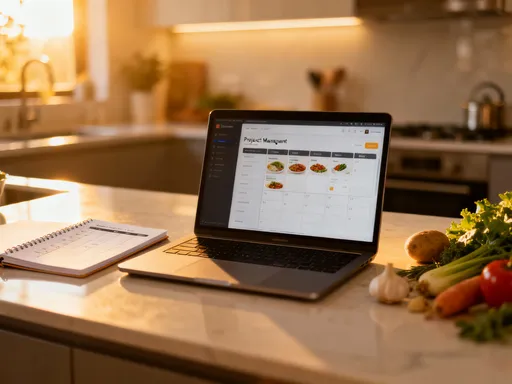
I started with a tool I already knew from work—a popular platform with boards, task lists, and due dates. At first, I used it for basic things: grocery lists and dentist appointments. But soon, I began to see how powerful it could be. This wasn’t just about remembering things. It was about designing a life that reflected what I truly cared about. I created a personal board and began moving tasks from my mental to-do list into actual cards. "Call Mom" got its own task. So did "research summer camp for the kids" and "replace the air filters." Each one was a tiny act of self-respect.
What surprised me most was how the tool helped me stop confusing urgency with importance. At work, everything feels urgent. But in life, what matters most often isn’t loud. It’s quiet. It’s the 10-minute meditation. The handwritten note. The walk around the block. So I started labeling tasks not by deadline, but by energy level. I used color codes: blue for low-effort tasks I could do when tired, green for things that required focus, and yellow for joyful activities. Suddenly, my platform wasn’t a source of pressure—it became a reflection of my rhythm. On days when I felt drained, I could look at my board and say, "Okay, today is a blue day." And that was enough.
I also discovered the power of recurring tasks. Instead of relying on memory, I set up repeating items: "Water the plants every Saturday," "Review monthly budget on the first," "Plan one fun family outing each week." These weren’t chores. They were commitments to a balanced life. And because they appeared automatically, I stopped feeling guilty for forgetting them. The tool wasn’t replacing my effort—it was supporting it. It was like having a kind, organized friend whispering, "Hey, don’t forget this thing you care about." And slowly, I began to trust myself again.
Designing a Life Board: How I Built My Personal Dashboard
Once I got comfortable with the basics, I wanted to go deeper. I didn’t just want to track tasks—I wanted to see my values. So I redesigned my board into four main sections: Family, Health, Growth, and Joy. Each one became a home for the things that mattered. Under Family, I added "Weekly family dinner," "Check in with each kid," and "Plan date night." Health included "30-minute walk," "Drink more water," and "Sleep by 10:30." Growth had "Read 10 pages," "Learn one new recipe," and "Practice gratitude." And Joy? That’s where I put "Watch sunrise," "Call an old friend," and "Dance in the kitchen."
The visual layout made a huge difference. I could scroll through and instantly see if one area was neglected. One week, I noticed Joy had no checkmarks. That was a wake-up call. It wasn’t that I didn’t have time—it was that I wasn’t making space for joy. So I added a new habit: every Friday, I’d pick one small joyful thing to do over the weekend. Sometimes it was baking cookies. Other times, it was lying in the grass and watching clouds. The act of writing it down made it real. It wasn’t an afterthought—it was a priority.
I also stopped setting rigid due dates. Instead, I used soft deadlines—"this week" or "by Sunday night." This removed the pressure of perfection. If I didn’t meditate on Tuesday, I could do it Wednesday. The goal wasn’t to complete every task. It was to stay connected to my intentions. And when I did finish something, I allowed myself to feel good about it. No more brushing off small wins. I’d smile at the little checkmark next to "Called Dad" and think, "Yes. I showed up." That shift—from guilt to gratitude—was everything.
Time Management That Feels Human, Not Robotic
For years, I tried time-blocking apps that demanded I schedule every 15 minutes. It never worked. I’m not a machine. I have days when I’m energized and days when I’m barely keeping up. The beauty of using a project management tool for life is that it can adapt to me, not the other way around. I started assigning tasks to "energy zones" instead of clock times. In the morning, when I’m sharp, I schedule focus tasks—budgeting, planning meals, writing. In the afternoon, when my energy dips, I assign low-effort things: folding laundry, answering non-urgent emails, or watering plants.
The tool also helped me recognize my limits. I used to overload my days, thinking I could power through. But the platform has a feature that shows how many tasks are due each day. When I see five high-effort items lined up, it gently warns me: "You might be overcommitted." That simple alert changed how I plan. Now, I ask myself, "Is this realistic?" before adding something new. And if I’m having a tough day, I can drag tasks to tomorrow without guilt. The system supports flexibility, not rigidity.
One of my favorite features is the daily digest—a short summary of what’s due. I get it at 7 a.m., and instead of feeling overwhelmed, I feel prepared. It’s not a drill sergeant. It’s a calm guide. And because I’ve already sorted tasks by energy level, I can look at the list and say, "Okay, today is a light day. I’ll tackle two greens and three blues." That sense of control—without control being the goal—has been freeing. I’m not chasing time. I’m working with it.
Sharing Calm, Not Just Calendars: Bringing Family Into the Flow
At first, I kept my board private. But then I realized: why am I managing everything alone? I invited my partner and teens into a shared space—just for household rhythms. We created a family board with sections for meals, errands, appointments, and fun. I added "Grocery list" as a living document. Now, when my son runs out of cereal, he adds it himself. My daughter puts in her orthodontist appointment. My husband marks when the trash goes out. No more sticky notes. No more "Did you remember…?" questions.
What surprised me was how it improved our communication. We started using the comment feature to acknowledge each other. When my partner moved the trash to the curb, I’d write, "Thank you—this helps so much." When my daughter updated her dentist appointment, I’d reply, "Proud of you for handling this." These small digital notes created a culture of appreciation. It wasn’t about tracking chores—it was about seeing each other’s efforts.
We also added a "Family Fun" section. Every week, one of us suggests an activity—pizza night, hike, board game marathon. It appears on everyone’s view, and we vote with emojis. The best part? No nagging. No last-minute scrambles. We’re all in the loop, and we all feel included. My teen even started adding tasks like "Help Mom with garden" just because she wanted to. That’s when I knew it was working. This wasn’t a tool for control. It was a tool for connection.
Small Wins, Big Shifts: How Daily Check-Ins Changed My Mindset
The most transformative habit I’ve built is the two-minute evening review. Before bed, I open my board and scroll through what I completed. I don’t judge. I don’t compare. I just notice. Seeing "Went for walk," "Called sister," or "Cooked healthy dinner" checked off rewired my self-talk. For years, I’d end the day focusing on what I didn’t do. Now, I end it by recognizing what I did.
This small practice shifted my identity. I stopped seeing myself as someone who never follows through and started seeing myself as someone who shows up, even in small ways. When I checked "Wrote in journal," I thought, "I’m someone who reflects." When I saw "Took vitamins," I thought, "I care about my health." These aren’t grand statements. They’re quiet truths. And over time, they built a new story about who I am.
I also started celebrating progress, not perfection. If I only did one thing from my Health list, that was a win. If I remembered to call my mom after three missed attempts, that was growth. The platform didn’t shame me for what was incomplete. It highlighted what was done. And that made all the difference. I wasn’t using it to fix myself. I was using it to see myself more clearly—and to like what I saw.
Freedom Through Structure: Why This Isn’t About Control, But Care
Here’s the irony: the more I planned, the more spontaneous I felt. When the basics are taken care of—meals, appointments, family rhythms—I have mental space to say yes to joy. Last weekend, my daughter suggested a picnic at the park. In the past, I would’ve said, "I don’t have time. I need to clean." But now, with my tasks tracked and manageable, I said, "Let’s go." We packed sandwiches, grabbed a blanket, and spent hours watching ducks. It was unplanned. It was perfect.
That’s the gift of structure: it doesn’t steal freedom. It creates it. When I’m not drowning in forgotten promises, I can be present. I can breathe. I can say yes to the moments that matter. This isn’t about doing more. It’s about living more. It’s about turning "I’ll do it later" into "I did it today." And that, I’ve learned, is the real win.
So if you’re tired of broken promises to yourself, I want to tell you this: it’s not you. It’s the system. And you don’t need to be perfect. You just need a little support. A tool, a board, a quiet way to honor what matters. Because you’re not behind. You’re just waiting for the right way to begin. And maybe—just maybe—that beginning is as simple as a checklist, a color code, and the courage to say, "This matters. I matter." That’s not productivity. That’s peace. And it’s yours for the taking.