I Keep Missing Turns and Wasting Time — How This Map App Finally Got Me Where I Needed to Go
We’ve all been there: driving in circles, heart racing as the GPS recalculates — again. You’re not alone. I used to dread weekend trips with my family, constantly lost, stressed, and late. Then I found a different way to navigate. It wasn’t just about directions — it changed how I plan, stay calm, and actually enjoy the journey. This is more than a map app review. It’s about regaining confidence, saving time, and showing up present — for myself and my loved ones.
The Moment Everything Changed
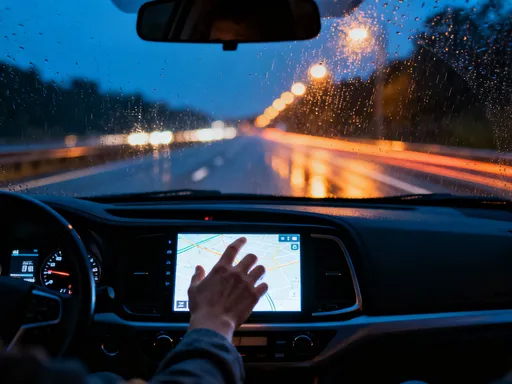
It was a Saturday morning last fall when everything came to a head. We were headed to my sister’s lakeside cabin, a three-hour drive we’d made a dozen times before. But somehow, I missed the final exit. The GPS froze. My husband leaned forward, eyes on the screen. “Why isn’t it saying anything?” he asked. The kids started whining from the backseat — “Are we there yet?” — and I could feel my chest tighten. I made a wrong turn, then another. We were lost, late, and I was on the verge of tears. That’s when it hit me: this wasn’t just about missing a turn. This was about losing control — of my time, my peace, and the joy of being together.
That night, after the kids were in bed and the house was quiet, I opened the app store. A friend had mentioned a different navigation app a few weeks earlier, but I hadn’t listened. This time, I typed in the name and downloaded it without hesitation. I didn’t expect much — just maybe fewer freezes, clearer voice prompts. But within days, something shifted. The app didn’t just guide me from place to place; it started to ease the constant mental load I hadn’t even realized I was carrying. It remembered my favorite routes. It warned me about traffic before I left the house. It felt less like a tool and more like a thoughtful companion. And that small change? It quietly began to reshape my days.
More Than Just Arrows: How Navigation Became a Goal-Setting Tool
I’ll admit it — I used to think of map apps as simple tools. Tell me where to go, show me an arrow, and get out of my way. But this one felt different. Instead of just giving directions, it started helping me think ahead. One morning, I noticed a notification: “Leave by 7:45 to arrive on time for your doctor’s appointment.” I didn’t set that. The app knew my usual morning routine, saw the appointment in my calendar, and calculated the best departure time — including real-time traffic. I was stunned. It wasn’t just tracking my location; it was supporting my schedule.
Over time, I began to see how this kind of smart planning could extend beyond driving. The app learned that I prefer scenic routes on weekends, avoids tolls during the week, and always wants the fastest option when it’s raining. These preferences weren’t just about convenience — they reflected my values. I value calm over speed. I care about time with my family more than saving a few minutes. And the app began to mirror those choices back to me. It started suggesting routes that included a quiet park where I could walk the dog, or a coffee shop near my daughter’s school where I could wait without circling the block. It wasn’t just guiding my car. It was gently reinforcing the kind of day I wanted to have.
What surprised me most was how this small shift in navigation made me more intentional about other parts of my life. If my phone could help me arrive calm and on time, why couldn’t I apply that same mindset to my to-do list? To my family time? I started thinking in terms of “arrival” — not just physically, but emotionally. What did I want to bring into each moment? Patience? Presence? Energy? The app became a quiet teacher, showing me that small decisions — like when to leave or which route to take — add up to a more purposeful life.
Planning Family Trips Without the Panic
Remember the days of printing out directions and stuffing them in the glove compartment? I do. And I remember the panic when we’d hit a detour and the paper map became useless. Planning a family trip used to feel like a part-time job. I’d spend hours checking traffic patterns, guessing where we’d need gas, and trying to time bathroom breaks around toddler meltdowns. By the time we left, I was already exhausted.
Now, I plan trips in minutes. I create custom routes with saved stops — not just for gas, but for playgrounds, picnic spots, and even favorite ice cream stands. The app remembers our preferences. It knows we like to stop every two hours. It knows my son needs a snack by 11 a.m. and that my daughter loves rest areas with walking trails. And sometimes, it surprises me — suggesting a small-town bakery we’ve never heard of, or a scenic overlook perfect for a family photo. These aren’t random suggestions. They’re based on real patterns, real needs, and real life.
But the biggest change? The mood in the car. No more tense silence while I fumble with the phone. No more “Mom, you’re going the wrong way!” from the backseat. Instead, my daughter says, “Look, the map says we’re halfway there!” and my son points at the screen, excited to see the next stop. My husband even joked the other day, “I think the app is the new co-pilot.” And he’s right. It’s not just reducing my stress — it’s improving our family’s experience. We arrive not frazzled and late, but relaxed and ready to enjoy each other. That’s worth more than any shortcut.
Beating the Daily Grind with Smarter Commutes
Mornings used to be a battle. Wake up, rush to get the kids ready, drop them off, then face the highway during peak traffic. I’d sit in gridlock, gripping the wheel, watching the minutes tick by. By the time I reached my office — or the grocery store, or the gym — I was already drained. I felt like I was starting every day behind.
Then I started using the app’s predictive alerts. Now, my phone buzzes at 6:40 a.m.: “Leave 12 minutes earlier than usual — there’s a multi-vehicle accident on Route 27.” At first, I was skeptical. Was it really worth getting up earlier for a glitch on the screen? But I tried it. I left on time, avoided the backup, and arrived ten minutes early. That small win changed everything. I realized I wasn’t just avoiding traffic — I was reclaiming time.
Over the past year, I’ve saved an average of 90 minutes a week. That’s a full workday every month! And I’m not wasting it on scrolling or rushing. I use it to call my sister, who lives across the country. I listen to audiobooks while driving through clear roads. I even started a small journaling habit, pulling over at a quiet park to write for ten minutes before heading home. The app didn’t give me more hours in the day — but it helped me protect the ones I already had. It’s like having a personal assistant who knows my schedule, watches the roads, and quietly makes sure I don’t lose precious moments to something as small as a traffic jam.
What I love most is that it adapts. If I change my routine — say, picking up my niece from soccer practice — it recalculates everything without me lifting a finger. It doesn’t judge my choices. It just supports them. And in a world that often feels chaotic, that kind of reliable help is priceless.
Growing Confidence, One Route at a Time
I’ll be honest — I used to hate driving alone. If I didn’t know the route, I’d avoid it entirely. I’d ask my husband to come along, or I’d just cancel plans. It wasn’t just about directions. It was about fear — fear of getting lost, fear of looking foolish, fear of wasting time. I felt like I was letting my lack of confidence limit my life.
But something changed when I started using this app. The voice guidance is calm and clear. It tells me exactly which lane to be in, warns me before merges, and even highlights upcoming exits with a gentle chime. I remember the first time I drove to a new town just for lunch — a little café I’d read about in a magazine. I was nervous, but the app walked me through every turn. When I pulled into the parking lot, I felt a rush of pride. I did that. On my own. No stress. No confusion. Just me and the road.
That small victory sparked something bigger. I started saying yes to things I would’ve once avoided — a solo weekend getaway, a networking event across town, even a spontaneous road trip with a friend. Each time, the app was there, not just as a guide, but as a quiet source of reassurance. And slowly, my confidence grew. Not just behind the wheel, but in other areas too. I started speaking up in meetings. I volunteered to lead a project at my community center. I even signed up for a photography class — something I’d always wanted to do but never thought I had the courage.
It’s funny how a simple tool can unlock so much. I didn’t set out to become more confident. I just wanted to stop missing turns. But by giving me the support I needed, the app helped me believe in myself. And that’s a gift no GPS could ever map — but one that changed everything.
Sharing the Journey: Staying Connected Without Stress
I used to hate sharing my location. It felt intrusive, like someone was watching me. But my perspective shifted when I became a mom. Now, when I’m picking up the kids from school or running late from the grocery store, I tap a button and send my live ETA to my husband. No more frantic texts. No more “Where are you?” calls. He sees exactly when I’ll arrive, and the kids know Mom is on her way.
It’s not about control. It’s about care. When my mother was visiting last month and I was driving her back to the airport, I shared my route with my sister. She could see I was on time, that traffic was light, and that we’d arrive with plenty of time to spare. She texted me: “Thanks for letting me see — it puts my mind at ease.” That moment stuck with me. Technology isn’t always about speed or efficiency. Sometimes, it’s about peace of mind — for everyone involved.
Even my teenagers have started using the feature. My daughter shares her ride home from dance practice, and I can see she’s safe without constantly calling or texting. It’s not surveillance. It’s support. It’s knowing that we’re all looking out for each other, even when we’re apart. And in a world where we’re all so busy, that small connection means everything.
Making Technology Work for What Matters Most
Let’s be clear — this isn’t a love letter to technology. I don’t care about the latest features or the flashiest interface. What matters to me is how a tool makes me feel. Does it add stress — or ease? Does it steal my time — or give it back? Does it make me more present — or more distracted? This app passed every test. It didn’t just help me get from point A to point B. It helped me show up — for my family, for my goals, for myself.
When the small things work smoothly, the big things have room to grow. I have more time to read to my kids. More energy to try new recipes. More calm to handle the unexpected. And I’ve realized something important: living well isn’t about doing more. It’s about doing what matters — with less friction, more joy, and greater intention.
So if you’re still fighting with your GPS, missing turns, and arriving stressed, I want you to know — it doesn’t have to be this way. You don’t have to accept frustration as part of the journey. There are tools that understand real life — the messy, beautiful, unpredictable kind. And when you find the right one, it doesn’t just change your route. It changes your rhythm. It helps you move through the world with more confidence, more calm, and more room for what truly matters. One turn, one day, one moment at a time.