Tired of Wondering Who’s at Your Door When You’re Not Home? This System Gives You Peace of Mind—and Helps You Grow
Imagine being deep in a work call when the doorbell rings. You scramble to answer, only to find it’s a delivery left unattended—or worse, a stranger standing there. You’re not alone. Many families feel that split-second panic, that nagging worry about safety and control. But what if you could know every visitor, every time, and use that peace of mind to focus on what truly matters—yourself? This isn’t about high-tech surveillance. It’s about clarity, confidence, and personal growth. It’s about turning a moment of stress into one of empowerment. And it starts with something as simple as your front door.
The Moment Everything Changed: A Doorbell Ring That Felt Different
I remember the exact afternoon it happened. My daughter was doing homework at the kitchen table, my son was napping, and I was on a critical video call with my team. We were finalizing a project that had taken months to build, and I couldn’t afford to lose focus. Then—ding dong. The doorbell rang. My heart jumped. I muted myself, whispered an apology, and rushed to the door, already bracing for the worst: a lost package, an unexpected salesperson, or worse, someone I didn’t recognize lingering on my porch. When I opened the door, no one was there—just a note from the delivery driver saying they’d leave the box by the side gate.
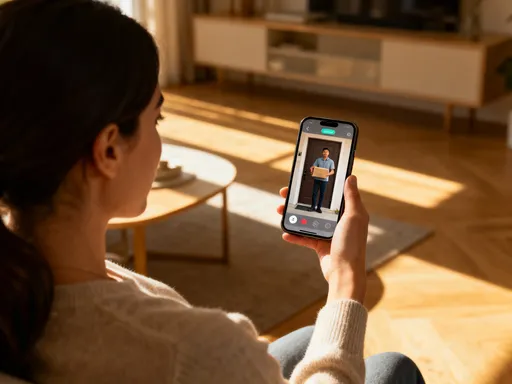
That moment stuck with me. Not because it was dangerous, but because it was so ordinary—and yet, so unsettling. How many times had I dropped everything just to check? How many times had I worried about who might be watching, waiting, or walking away with something that wasn’t theirs? That night, I sat at the kitchen counter with a cup of tea, staring at my phone, thinking: There has to be a better way. And there was. A friend had mentioned a smart visitor management system—something that sends a notification to your phone whenever someone approaches your door. No more guessing. No more rushing. Just a simple alert: Someone’s here. And with it, a photo. A timestamp. A sense of control.
The first time I got that alert while I was upstairs folding laundry, I didn’t panic. I opened the app, saw it was just the mail carrier dropping off a letter, and smiled. No interruption. No stress. Just information. That small moment changed everything. It wasn’t just about knowing who was at the door—it was about reclaiming my time, my attention, and my peace. And that peace? It didn’t stay at the front door. It started to spread, quietly, into every part of my life.
From Security to Self-Trust: How Knowing Who’s at the Door Builds Confidence
When we talk about home security, we often focus on locks, alarms, and cameras. But there’s a quieter, deeper benefit that doesn’t get enough attention: the way feeling safe at home builds self-trust. Think about it. When you’re constantly worried about who might be at your door, your body stays in a low hum of alertness. You’re never fully relaxed. You double-check the locks. You peek through the blinds. You wonder if that noise outside was just the wind—or something more. Over time, that background anxiety chips away at your sense of control.
But when you have a system that shows you exactly who’s there—whether it’s your neighbor returning a borrowed tool or a delivery person dropping off groceries—that constant hum fades. You stop questioning. You stop guessing. You start knowing. And that shift from uncertainty to certainty does something powerful: it helps you trust yourself again. You begin to feel more grounded. More capable. More in charge of your space and your life.
I noticed it first in small decisions. When a friend asked if she could drop by later, I didn’t hesitate. I said yes—because I knew I’d get a heads-up when she arrived. When my teenage son wanted to have a friend over, I didn’t worry about whether someone else might tag along. I could see who came and when. These might seem like tiny moments, but they added up. I started making choices from a place of calm instead of fear. I set boundaries more easily. I said no when I needed to. I said yes when I wanted to. And that, more than anything, made me feel like myself again.
Technology can’t fix everything, of course. But when it removes one layer of daily stress, it gives you space to breathe. And in that space, confidence grows. You start to believe that you can handle what comes your way—because you’re no longer walking into every situation blindfolded. You have information. You have clarity. And that? That’s the foundation of self-trust.
Time You Get Back: What Happens When You Stop Chasing the Door
Let’s talk about time—because it’s the one thing none of us can get more of. Think about how much of your day is spent managing small worries. Checking the lock before bed. Running to the door when the bell rings. Following up with delivery companies when a package goes missing. These moments seem minor, but they add up. One study found that the average person spends nearly 15 minutes a day on home-related interruptions—time that could be spent on work, rest, or connection. Now imagine reclaiming even half of that.
That’s what happened when I started using the visitor system. No more jumping up every time the doorbell rang. No more wondering if I should run downstairs to sign for a package. The system sends a notification with a photo and timestamp. If it’s important, I respond. If it’s not, I keep going with my day. That small change freed up mental space I didn’t even know I was missing. I started using those extra moments for things that mattered: a longer morning walk, a quiet cup of coffee before the kids woke up, an uninterrupted hour to finish a project.
But it wasn’t just about productivity. It was about presence. I used to be half-listening during family dinners, wondering if I’d missed a delivery or if the babysitter had arrived on time. Now, I’m actually there—talking, laughing, enjoying the moment. My husband noticed it first. ‘You seem calmer,’ he said one evening. ‘Like you’re not always waiting for the other shoe to drop.’ And he was right. The constant background noise of ‘what if?’ had quieted down.
And here’s the surprising part: that time and mental space didn’t just help me—it helped my growth. I started journaling again. I enrolled in an online course I’d been putting off for years. I even began meditating for ten minutes each morning. None of these required huge blocks of time. They just required focus. And focus is hard to find when your mind is scattered with small worries. When one of those worries disappears, it makes room for something bigger—like becoming the person you’ve always wanted to be.
Raising Calmer Kids in a Safer Home: Peace That Spreads
Children are incredible at picking up on energy. They might not understand the details of why Mom is stressed, but they feel it. Tension in the voice. A quick glance toward the door. The way you pause mid-sentence when the bell rings. Over time, that unease becomes part of the home’s rhythm. And kids respond to rhythm—whether it’s one of calm or one of caution.
Since we started using the visitor system, I’ve noticed a shift in our home. My daughter no longer asks, ‘Who’s that?’ every time she hears a noise outside. My son doesn’t wake up startled when the doorbell rings. Why? Because they’ve learned that nothing unexpected happens without us knowing. Grandparents’ visits are logged. Babysitters are confirmed with a quick check. Even playdates feel smoother—no more guessing if a friend’s mom has arrived yet. We can see her pull up, watch her ring the bell, and greet her at the door together.
But more than convenience, it’s about modeling calm. I used to rush to the door with my heart racing. Now, I walk there with my phone in hand, check the screen, and say, ‘It’s Aunt Lisa! Let’s go say hi.’ That small change sends a message: the world is predictable. We are safe. We are in control. And that sense of safety lets kids be kids—curious, playful, unafraid.
One evening, my daughter looked up from her coloring book and said, ‘I like it when we know who’s coming.’ I smiled. She didn’t know the name of the system or how it worked. She just knew it made her feel secure. And that, to me, was the greatest compliment. Because raising confident kids doesn’t always come from big talks or lessons. Sometimes, it comes from the quiet stability of a home where no one has to wonder who’s at the door.
Tracking Progress You Can’t See: Data That Reflects Your Growth
At first glance, visitor logs might seem cold—just names, times, and photos. But when you look at them over weeks or months, something interesting happens. Patterns emerge. You start to see not just who came, but how your life is changing. For example, I noticed that on days I worked from home, I had fewer interruptions. On weekends, the visits from friends and family increased—proof that I was finally making time for connection. Even small things stood out: more solo mornings, consistent check-ins from the dog walker, fewer late-night worries about deliveries.
I began to think of these logs as a kind of mirror. Not a mirror for my appearance, but for my choices. They showed me when I was setting boundaries, when I was opening up, when I was prioritizing peace. One week, I saw that I’d had zero unexpected visits during my work hours. That wasn’t luck—it was intention. I’d set the ‘do not disturb’ mode during focus time, and the system respected it. I felt proud. Not because I’d blocked people, but because I’d protected my time.
Some weeks, I’d review the logs like I used to review my journal. It wasn’t about surveillance—it was about awareness. I’d ask myself: Did I feel in control this week? Did I make space for what matters? Did I say yes to the right things? The data didn’t judge me. It simply reflected back what had happened. And in that reflection, I found motivation. Seeing proof of progress—quiet, consistent, real—helped me keep going. It reminded me that growth isn’t always loud. Sometimes, it’s a timestamp on a screen showing that you finally stopped running to the door.
And here’s the thing: this kind of data doesn’t replace human insight. It enhances it. Just like a fitness tracker doesn’t make you healthy, but helps you see your habits, the visitor system doesn’t make your life better—but it helps you notice the changes you’re already making. And when you can see your growth, you’re more likely to keep nurturing it.
Making It Work for You: Simple Setup Without the Tech Stress
I’ll be honest—I was nervous about setting it up. The words ‘smart system’ made me think of complicated wiring, confusing apps, and calls to customer support. But the truth? It was easier than hanging a picture frame. Most systems today are designed for people like us—busy, tech-curious but not tech-experts. You don’t need tools. You don’t need a degree. You just need about 20 minutes and your phone.
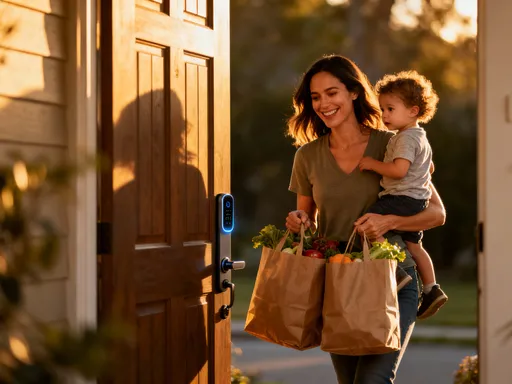
Here’s how it went for me: I chose a system with a doorbell camera and a mobile app. I unscrewed the old doorbell (it came off with two screws), connected the wires to the new one—color-coded, so no guessing—and screwed it back in. Then, I downloaded the app, scanned the QR code on the device, and followed the setup steps. Within minutes, it was live. The first test ring came through instantly—clear video, sharp audio, and a notification that popped up like a text message.
Sharing access with my husband was simple. I opened the app, tapped ‘Family Access,’ entered his email, and he got a link to download the app and sign in. Now, we both get alerts. We can both check in. And if one of us is traveling, we can still keep an eye on things. Privacy was a concern at first—would anyone be able to see our home? But the system uses encrypted connections, and we control who gets access. We also set up motion zones, so we only get alerts from the front path, not the street or neighbor’s yard.
My best tip? Start small. You don’t have to use every feature right away. Try the basic alert for a week. Get used to checking your phone instead of the door. Then, explore other settings—like custom greetings or activity schedules. It’s not about perfection. It’s about making the system work for your life, not the other way around.
Beyond the Door: How Small Tech Changes Create Big Life Shifts
When I first looked into a visitor management system, I thought it was just about safety. I wanted to know who was at my door. But what I didn’t expect was how that small change would ripple through my life. I sleep better now, knowing I’ll be alerted if someone comes by. I focus deeper during work hours, free from the pull of constant interruptions. I show up more fully in my relationships—because I’m not distracted by background worries. And I’ve made space for growth—enough that I finally started that online course, finished the book I’d been meaning to write, and even began mentoring other women in my field.
Technology often gets a bad rap. We hear that it’s isolating, distracting, too complex. But when used with intention, it can do the opposite. It can remove friction. It can restore calm. It can give us back time and attention—two of our most precious resources. This system didn’t replace human connection. It protected it. It didn’t make me less present. It helped me become more present—by taking one small worry off my plate.
And that’s the real magic of smart tech: it’s not about the gadget. It’s about what the gadget makes possible. It’s about using tools not to escape life, but to engage with it more fully. The door was just the beginning. Once that one source of stress faded, I started looking at other areas of my life—what else could be simpler? What else could be clearer? What other small changes could lead to big shifts?
If you’ve ever felt that split-second panic when the doorbell rings, know this: you’re not alone. And you don’t have to live with that worry. A simple system can give you more than security. It can give you confidence. Time. Peace. And from there, growth. Because when you feel safe, you can focus on becoming who you’re meant to be. And that’s a change worth welcoming—right at your front door.