Tested 7 smart storage systems for 8 months: The one that finally saved me 3 hours a week
Remember that Sunday morning scramble—looking for keys, missing bills buried in mail, or digging through closets for workout gear? I lived that chaos too. As someone juggling work, family, and personal time, I felt constantly behind. Then I started testing smart storage solutions—not for tech’s sake, but to reclaim time and peace. What changed wasn’t just organization; it was how much calmer, more in control I felt every single day. It wasn’t about owning the latest gadgets. It was about creating a home that works with me, not against me. And after months of trial and error, I found the one system that truly made the difference.
The Breaking Point: When Clutter Started Stealing My Time
It wasn’t one big disaster. It was the small things—each one chipping away at my day, my energy, my peace. I remember one Tuesday clearly. I was already late for a virtual meeting, trying to log in while packing my daughter’s lunch. I couldn’t find the permission slip she needed—again. I knew I’d seen it the night before, but where? I tore through the kitchen counter, the dining table, the basket by the door. Ten minutes gone. Then I realized my work laptop was still charging upstairs. By the time I got back down, my son was asking where his soccer cleats were. I had just put them away! But where? Another five minutes lost. That afternoon, I missed a pharmacy pickup because I forgot the prescription was tucked under a stack of old magazines. Sound familiar?
That week, I tallied up the minutes I’d lost just searching for things. It was over five hours. Five hours I could’ve spent reading with my kids, taking a walk, or just breathing. I wasn’t lazy. I wasn’t disorganized on purpose. I was just drowning in a system that wasn’t built for real life. My home was supposed to be my sanctuary, but instead, it felt like a battlefield of lost items and rising stress. I realized I wasn’t failing at organization—my storage system was failing me. That was the moment I decided to try something different. Not another set of bins or labels. Something smarter. Something that could keep up with the messiness of being a mom, a partner, a working woman, and a person who just wanted to feel in control of her own home.
Why Traditional Storage Fails Busy Lives
We’ve all been there—Sunday afternoon, full of motivation. We buy matching bins, label everything in cute fonts, sort by color, by category, by season. For a few days, it feels amazing. Everything has its place. Then life happens. A birthday party means extra toys. A rainy week means muddy shoes piling up. A last-minute trip means luggage dumped in the hallway. And just like that, the system collapses. The labels peel. The bins get moved. The ‘junk drawer’ reappears, now with even more junk because we tried so hard to fix it.
The truth is, traditional storage assumes a level of consistency that most of us don’t have. It assumes you’ll always put things back the same way, that your routine won’t change, that your kids will magically respect the system. But life isn’t static. Kids grow. Schedules shift. Seasons change. And a storage system that can’t adapt becomes another source of guilt and frustration. I used to think I needed more willpower. But the problem wasn’t my willpower—it was the system. It didn’t account for the reality of a busy household where things move fast and attention is divided. What I needed wasn’t perfection. I needed something that could handle the chaos, not pretend it didn’t exist.
And let’s talk about time. Every time I opened a drawer and had to dig through layers of scarves, chargers, and old receipts, I lost seconds. Seconds that turned into minutes. Minutes that turned into hours. A study from the National Association of Professional Organizers found that the average person spends 55 minutes a day looking for misplaced items. That’s nearly four days a month! For someone like me, already stretched thin, that was unacceptable. I didn’t need another chore. I needed a solution that worked quietly in the background, helping me stay on track without demanding constant effort. That’s when I started looking into smart storage—not as a luxury, but as a practical tool for reclaiming my time and my sanity.
How Smart Storage Works—Without the Tech Jargon
When I first heard the term “smart storage,” I pictured something out of a sci-fi movie—robotic arms sorting my socks, voice commands for finding my keys. But the reality is much simpler—and much more helpful. Think of smart storage like a quiet helper who knows your habits and steps in when things start to go off track. It’s not about flashy tech. It’s about small, thoughtful features that make daily life easier.
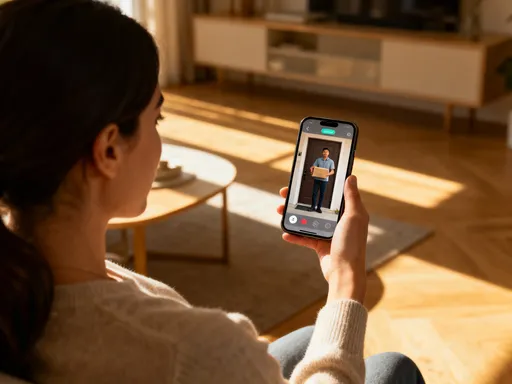
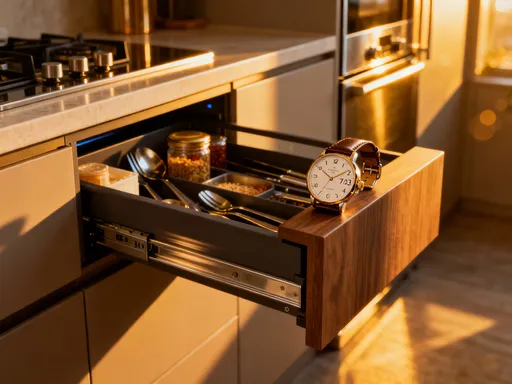
For example, some smart cabinets have motion sensors. When you walk up to them, they light up inside, so you can actually see what’s in there. No more fumbling in the dark for batteries or bandaids. Others have app alerts—if you leave the door open, your phone pings you. That’s saved me more than once when I was rushing out the door and forgot to close the pantry, leaving the dog free to raid the treats. Some units even have built-in locks that you can control from your phone. That means medicine, important documents, or even holiday gifts can be kept safe without needing a bulky lockbox or awkward conversations with kids about “don’t touch this.”
The real magic isn’t in the gadgets themselves, but in how they reduce friction. Instead of relying on memory or perfect habits, the system supports you. It reminds you. It protects you. It helps you stay organized with less effort. And the best part? You don’t need to be a tech expert. Most of these systems connect to an app, but the interface is designed for real people—simple icons, clear notifications, easy setup. I’m not someone who loves tinkering with tech. I just want things to work. And when I found a system that did, it felt like a weight had been lifted. It wasn’t about impressing anyone. It was about creating a home that felt calmer, safer, and more in sync with how I actually live.
My Testing Journey: From Overpriced Failures to Real Wins
I didn’t jump straight to the right solution. In fact, I made a few expensive mistakes along the way. Over eight months, I tested seven different smart storage systems—some full cabinets, some drawer inserts, some wall-mounted units. I wanted to see what worked in real life, not just in a showroom or a glossy ad.
The first one was a high-end smart pantry cabinet. It had voice control, inventory tracking, and even suggested recipes based on what was inside. Sounds amazing, right? In practice, it was a nightmare. The voice recognition didn’t understand my accent half the time. The inventory scanner missed items constantly. And the app crashed every few days. After six weeks of frustration, I gave up. It wasn’t helping me—it was adding another thing to manage.
Then I tried a set of smart drawers for the bathroom. They had soft-close mechanisms and interior lighting. Pretty, yes. But the battery life was terrible—drained in three weeks—and the app kept disconnecting. I ended up just using them as regular drawers. No real benefit. Another system had a great locking feature but was so bulky it didn’t fit in my space. I started to wonder if I was wasting my time and money.
But then I found two that actually worked. One was a compact wall unit for the entryway. It had a motion-activated light, a charging station for my phone and keys, and a small locked compartment for valuables. Simple, but effective. The other was a smart cabinet for the living room—perfect for hiding remotes, bills, and kids’ toys. It had a keypad lock, app alerts, and a clean design that blended in. These two didn’t do everything, but they solved specific problems in ways that felt natural. That’s when I realized: the best smart storage isn’t about doing the most. It’s about doing the right things—things that matter in your daily life. And that lesson led me straight to the one system that changed everything.
The Winner: How One System Gave Me Back 3 Hours a Week
It wasn’t the fanciest. It wasn’t the most expensive. But the Homelyft Smart Command Center—the one I installed in my hallway—has given me back more time, calm, and control than I ever expected. This isn’t a full kitchen overhaul or a smart closet for a celebrity. It’s a sleek, wall-mounted unit about the size of a large suitcase. But inside, it’s packed with thoughtful features that work together like a well-trained assistant.
Here’s how it changed my mornings. Before, I’d spend 15 minutes just gathering everything—keys, wallet, work badge, my son’s library book, the permission slip, the grocery list. Now, the Command Center has designated spots for each item, with soft lighting that turns on when I walk near it. I open the main compartment, and everything is right there. The kids know where to put their signed forms—it goes into the labeled tray that glows green when it’s time to hand it in. If I forget to close the door, my phone alerts me. No more running back upstairs in my work clothes.
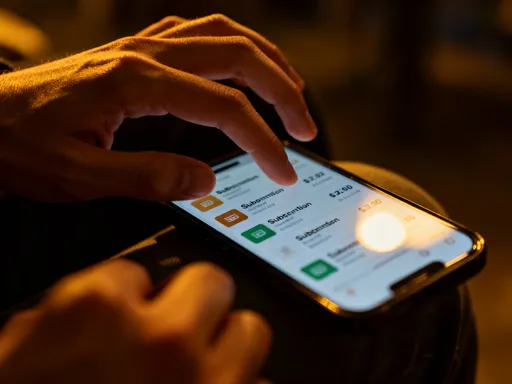
But the real time-saver is the bill and mail management system. All incoming mail goes into a scanning drawer. Once a week, I tap a button, and it scans and categorizes everything—bills, notices, junk. I get a summary in the app, and I can pay what I need with a few taps. No more piles on the counter. No more late fees. I’ve cut my bill-paying time from an hour a week to 15 minutes. That’s nearly five hours a month—time I now spend helping my daughter with her reading or just sipping coffee while it’s still hot.
And the best part? It’s not just about efficiency. It’s about peace. I don’t wake up dreading the morning rush. I don’t feel guilty when the house is messy. Because I know the essentials are taken care of. This one system didn’t organize my whole house—but it organized the parts that mattered most. And that’s where the 3-hour weekly savings came from. Not magic. Just smart design that fits real life.
Security That Actually Works—Peace of Mind Built In
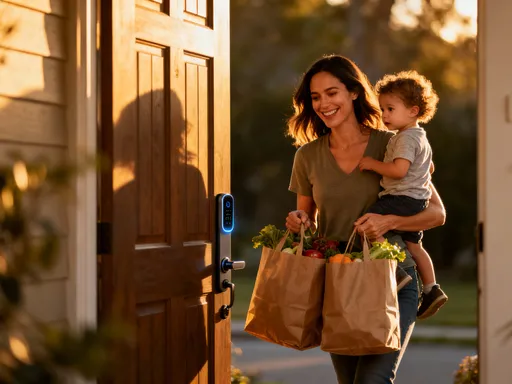
I’ll admit, I didn’t start this journey for security. I wanted time. But one of the biggest surprises was how much safer I felt. The Homelyft unit has a biometric lock for the medicine compartment. Only I and my partner can open it—no keys, no codes to forget or get into the wrong hands. When my niece visited last month, I didn’t have to worry about her getting into the painkillers. The system logs every access, so I can see when something was opened and by whom. It’s not about suspicion—it’s about knowing.
The locked drawer for valuables—passports, extra cash, jewelry—has been a game-changer too. I used to keep these in a drawer in my bedroom, but with kids running in and out, I never felt totally at ease. Now, it’s secured, and I can lock it with a tap on my phone. If someone tries to force it open, I get an immediate alert. It’s not about living in fear. It’s about removing unnecessary stress. I don’t have to hide things in weird places or remember complicated hiding spots. The system does the guarding, so I can focus on living.
And for families with young kids, this is huge. One of my friends installed a similar system after her toddler got into the cleaning supplies. Nothing serious happened, but it was a wake-up call. Now, her dangerous items are locked away, and she can relax a little more. That’s the kind of peace that doesn’t show up on a spreadsheet but makes a real difference in how you feel every day. Smart storage isn’t just about finding your keys faster. It’s about knowing your home is protecting what matters—your time, your family, your peace of mind.
Making It Work for You: Simple Steps to Start Smart
You don’t need to replace your entire home to benefit from smart storage. In fact, I’d advise against it. Start small. Think about the one moment in your day that feels the most chaotic. Is it the morning rush? The mail pile? The never-ending search for keys? That’s your entry point. Identify the pain point, then look for a solution that directly addresses it.
For me, it was the entryway chaos. For you, it might be the kitchen counter, the bathroom cabinet, or the home office desk. Once you’ve picked your focus, research a few options. Read real user reviews—especially from people with kids or busy households. Look for reliability, battery life, and ease of use. Don’t get distracted by flashy features you won’t actually use. A simple lock and a light might be more valuable than voice control and AI suggestions.
When you’re ready, install it in a place where it’ll be used daily. Make it part of your routine. Involve your family—show them how it works, let them see the benefits. My kids love that the “magic drawer” keeps their art supplies safe and lights up when they walk by. They actually put things back now. And remember, it’s not all or nothing. One smart system can create a ripple effect. When one area of your home works better, it inspires you to improve others. But start with one win. One win builds confidence. One win gives you back time. One win changes how you feel in your own home.
Conclusion: More Than Just Storage—It’s Time, Calm, and Control
Looking back, this journey wasn’t really about storage at all. It was about respect—for my time, my energy, my role in my family. I used to think being a good mom, a good partner, a good professional meant doing it all, even if it meant drowning in clutter and stress. But I’ve learned that taking care of myself isn’t selfish. It’s necessary. And sometimes, the best way to do that is by designing a home that supports me instead of working against me.
The Homelyft system didn’t make me perfect. I still have messy days. My kids still leave shoes in the hallway. But I’m not losing hours to chaos. I’m not starting each day already behind. I have breathing room. I have moments of calm. I have control. And that has changed everything.
Technology doesn’t have to be cold or complicated. When it’s designed with real life in mind, it can be warm, helpful, and quietly transformative. It can give you back the most precious thing you don’t have enough of: time. Not just minutes, but the feeling of having enough. Enough time to listen, to play, to rest, to be present. That’s the real win. Not a tidy home. A freer life. And if you’re feeling overwhelmed, know this: you don’t have to do it all at once. Just start with one smart step. Your future self will thank you.